
The First Draft
Or how I reached The End

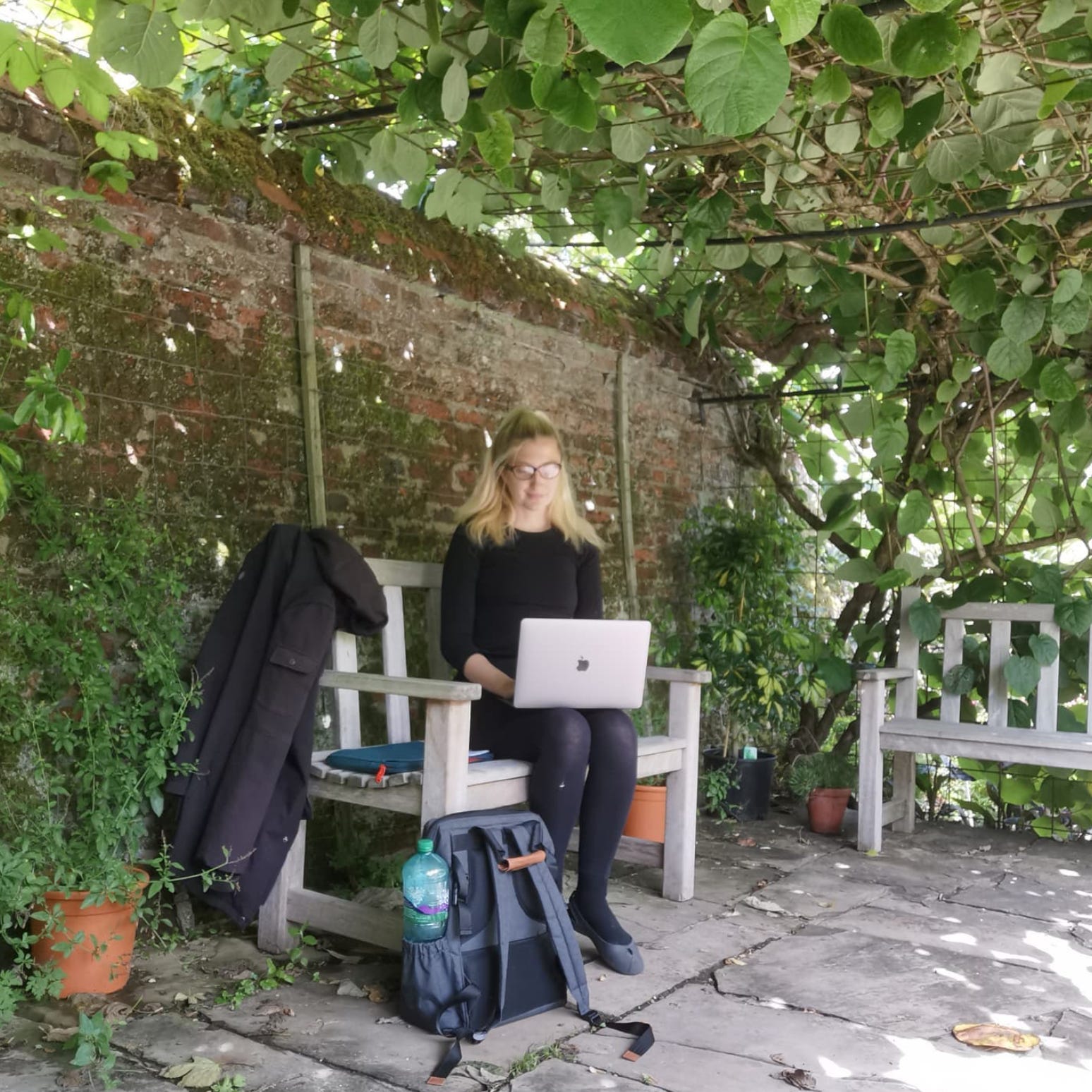
Let’s start at the very beginning because Julie Andrews says it’s A Very Good Place to Start. I began writing IN THE GLOW OF THE GLOOM back in summer 2020. At the time I was a full-time mum with no childcare, on my own most of the time as we all muddled through the global pandemic.
ITGOTG was not my first book. I had shelved a YA sci-fantasy about an all female colony of elemental magic wielders living on the moon. I’d also completed an interactive gamebook, which my graphic designer dad is illustrating. During the pandemic, I started my own Patreon and was releasing an episodic story with a new chapter each week that my readers could vote on what happened next. That was fun but with the lack of childcare, I couldn’t sustain it and had to end that project.
However, after a conversation with my husband, I realised I wanted to launch my career as a Young Adult fantasy author.

Don’t get me wrong, I love interactive fiction (and RPG video games) but the market is ridiculously niche—many of us who grew up playing gamebooks are still into the genre, but the whipper-snappers these days prefer flashy tech storytelling. I don’t blame them. One day I’ll revisit my gamebook though, even if only to showcase my dad’s epic art.
Pivoting back to YA fantasy, I’d only ever written the aforementioned half a book and it was a garbage fire. I quickly realised the reason why it was so bad: I hadn’t properly plotted it out or studied the craft of writing fiction before penning it.
My professional background in writing consists of working as a freelance fashion, beauty and lifestyle writer after graduating with my BA (Hons) in Fashion Journalism. I was also the Features Editor for an interactive fiction website. But I’d never studied the art of creative writing.
That’s not to say one must have an MA or any other qualification in creative writing to be good at it. In fact, I’ve seen many authors sharing that they had no formal qualifications in fiction writing when they were published.
So my brain likes to know how things work. I like to form patterns and processes and be able to replicate methods of how to achieve something. As a mum to a neurodiverse kid, I’m realising my brain is likely not neurotypical either—this is a whole other side quest, that we’ll deep dive into another time.

All this to say, I craved a tried and tested path to follow, some kind of formula that a newbie fiction writer could use while learning how to skilfully tell a story. Enter: Save the Cat Writes A Novel. This craft book was a game changer for me. It helped me to observe and understand story beats, character arcs and much more. I still use it regularly and until I’ve got those beats burned into my mind, I’ll probably use it for many years to come.
Rewinding back to the summer of 2020, I was gearing up to enter a competition to win a place on a writing course held by a literary agency. I knew the shelved half-assed, half a book was not my best work and even now, I don’t think I’ve got the skills to tackle the nuanced social political commentary that it demands. I needed something new.
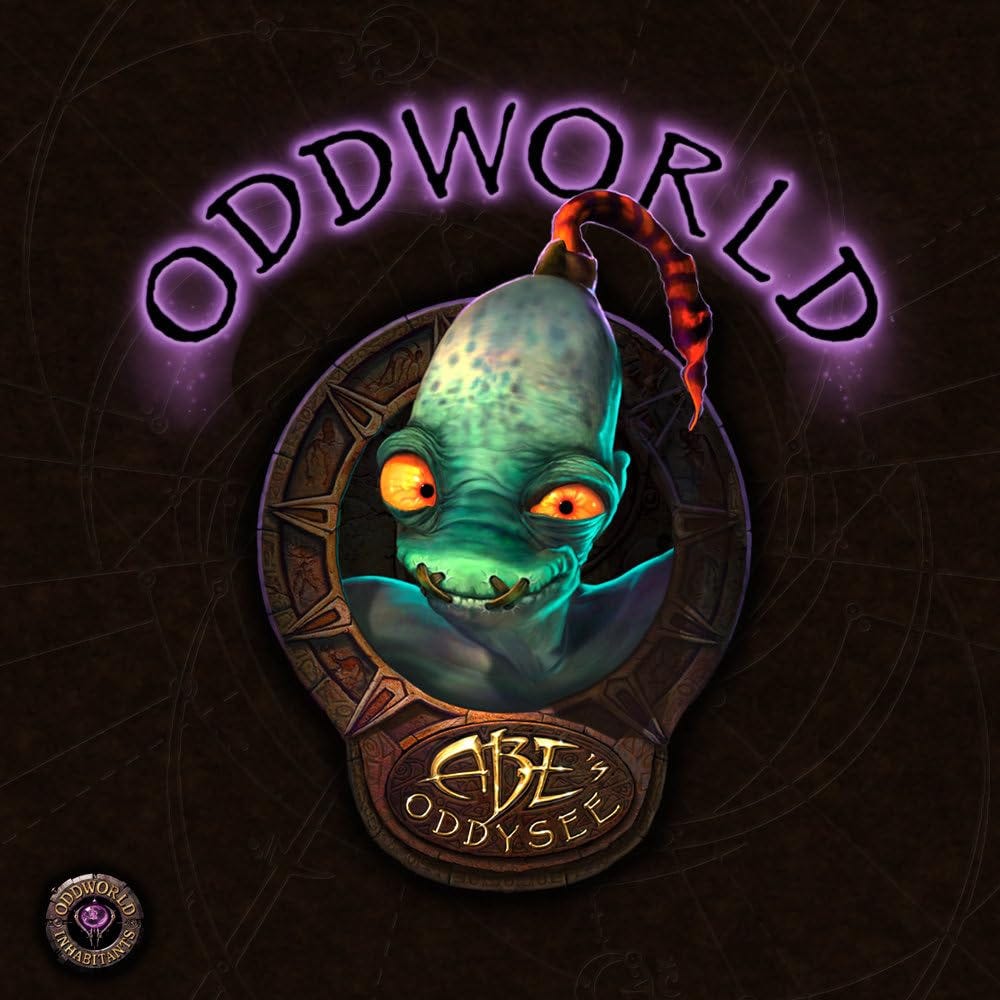
Using the Save the Cat beat sheet, I planned out an entirely new novel, taken from a few lines in my phone’s notes app. I was really inspired by the ‘90s PlayStation game Abe’s Odyssey, along with Final Fantasy VII and contemporary YA fantasy novels.
I entered the competition and I didn’t win, but I didn’t let that stop me. I knew my idea was different, unique and hopefully fresh, so I decided to write the whole book. Besides which, it was so fun to write! I’ve always adhered to the writing advice: write the book you want to read. I wasn’t phased by the fact that I didn’t get onto the course, because I’d submitted only the start of my very first draft, which was rougher than a badger’s behind.
I finally completed the first draft in the autumn of 2021, which wasn’t bad going considering I wrote it in snippets during my son’s nap times and late at night. It came in at a final word count of 150,000 to 160,000 words.
For those in the know, a literary agent likely won’t look at a Young Adult manuscript (particularly written by a debut author) that’s much over 100,000 words. I knew I had to cut a third of my book.
But I wasn’t disheartened. I had a completed book which I was really proud of. I poured everything I’d learned from all my previous writing experience, along with the craft knowledge I’d garnered, into this book.
So I ordered a bound manuscript of my first draft and held my book in print for the first time. That was one of those life-affirming moments when you know you’re on the right path.

Before we dive into the second draft, I thought it worth mentioning a few things that helped me get the first draft down:
Save the Cat Writes a Novel + the Save the Cat beat sheet — as previously mentioned, the methods in this book sing to my brain. I used to be a plantser (plotter/pantser) but now I’m an absolute plotter.
A word count log — to keep me motivated, I used a super cute personalised notebook (thanks Mum) to track how much I was writing each session. On days when I felt that writing was an uphill battle, I looked back and saw how far I’d come. This helped massively.
A sticker chart — in the same notebook I drew word count goals for every 1,000 words in a little bubble, with a line linking it to the next goal. When I hit that word count, I gave myself a sticker. It’s the little things.
Caffeine — if you’re a parent of young children or you know one, you’ll know they live off caffeine. Parents of infants don’t get enough sleep. Writer parents get even less because they use the time they could be sleeping to create worlds. Buy your mum friend a coffee. She bloody deserves it.
Free time — when social distancing rules allowed and when my lovely husband finished work for the day, he and other family members would tag team in to look after our toddler so I could get my words in. Without my husband’s support in particular, my book wouldn’t be where it is today.
Next time, I’ll be discussing the second draft, including killing darlings and editing a book when you don’t know what you’re doing!
[Image credit: Oddworld Inhabitants / GT Interactive]